


Why Indonesian Rattan Furniture Is a Sustainable Choice for Global Buyers in 2026

Eco-conscious furniture trends continue to reshape the global interior industry in 2026. Buyers today are no longer focused only on aesthetics and pricing — sustainability, ethical sourcing, and long-term environmental impact have become key purchasing considerations. Among the many natural materials used in furniture production, Indonesian rattan stands out as one of the most sustainable and commercially viable choices for global buyers.
The Rising Demand for Sustainable Furniture in 2026
Across Europe, North America, Australia, and the Middle East, consumers are increasingly prioritizing eco-friendly products for both residential and hospitality projects. Retailers, interior designers, and procurement companies are actively searching for furniture that aligns with environmental standards while still offering timeless design and durability.
This shift has accelerated demand for:
Natural and renewable materials
Handmade craftsmanship
Ethical sourcing
Low-carbon manufacturing
Long-lasting furniture products
As sustainability becomes a core purchasing factor, Indonesian rattan furniture continues to gain attention from global buyers looking for authentic and responsible furniture solutions.
Why Rattan Is One of the Most Sustainable Furniture Materials
Unlike hardwood trees that can take decades to mature, rattan is a fast-growing climbing palm that regenerates naturally within a relatively short period. This makes it one of the most renewable materials in the furniture industry.
1. Fast Regeneration
Rattan can grow and be harvested much faster than traditional timber. In many regions of Indonesia, rattan regenerates naturally without requiring large-scale replanting systems.
This renewable cycle helps reduce pressure on forests while supporting long-term material availability.
2. Supports Forest Preservation
Rattan thrives in tropical forests and often encourages local communities to preserve forest ecosystems rather than convert them into agricultural land. Because rattan depends on healthy forests to grow, its economic value indirectly supports conservation efforts.
For environmentally conscious buyers, this creates a stronger sustainability narrative compared to synthetic or mass-produced furniture materials.
3. Low Waste Production
Rattan furniture production generates relatively low material waste. Skilled artisans are able to maximize the use of each rattan pole for frames, weaving, and decorative details.
In many Indonesian workshops, leftover rattan materials are repurposed into smaller accessories or decorative products, supporting a more circular production process.
Indonesia: The Global Center of Rattan Craftsmanship
Indonesia has long been recognized as the world’s largest producer and exporter of natural rattan. The country supplies a significant portion of global raw rattan materials and finished furniture products.
Among Indonesia’s most important rattan production hubs is Cirebon, a region internationally known for its weaving traditions and furniture craftsmanship.
The Heritage of Cirebon Rattan Furniture
For decades, artisans in Cirebon have developed specialized expertise in handwoven rattan furniture production. Their craftsmanship combines traditional techniques with modern design adaptation, making Indonesian products highly competitive in international markets.
Global buyers appreciate Indonesian rattan furniture for its:
Handcrafted quality
Natural aesthetics
Design flexibility
Export experience
Competitive pricing
Ability to customize designs
From luxury resorts in Bali to boutique hotels in Europe, Indonesian rattan furniture continues to define warm, organic, and contemporary interior styles.
Why Global Buyers Prefer Indonesian Rattan Furniture


Natural Aesthetic That Fits Modern Interior Trends
In 2026, interior design trends are moving toward warmer and more organic spaces. Natural textures, earthy tones, and handcrafted furniture are increasingly preferred over industrial-looking materials.
Rattan furniture naturally complements styles such as:
Japandi
Coastal interiors
Tropical modern
Scandinavian organic
Contemporary resort design
Its lightweight appearance and woven texture help create spaces that feel relaxed, elegant, and timeless.
Durability for Residential and Hospitality Projects
High-quality Indonesian rattan furniture is designed not only for aesthetics but also for functionality and durability. With proper treatment and finishing, rattan furniture can perform well in residential, hospitality, café, and commercial environments.
Many export manufacturers in Indonesia also combine rattan with materials such as:
Solid wood
Powder-coated metal
Leather
Fabric upholstery
Natural stone accents
This creates more premium and versatile collections for international markets.
Customization Capabilities
One major advantage of sourcing from Indonesia is production flexibility. Many Indonesian manufacturers are experienced in handling custom projects for wholesalers, designers, and hospitality buyers.
Buyers can often customize:
Dimensions
Colors and finishes
Weaving patterns
Cushion fabrics
Frame materials
Packaging requirements
This flexibility is especially important for large-scale interior projects and private-label furniture brands.
Sustainability Beyond Materials
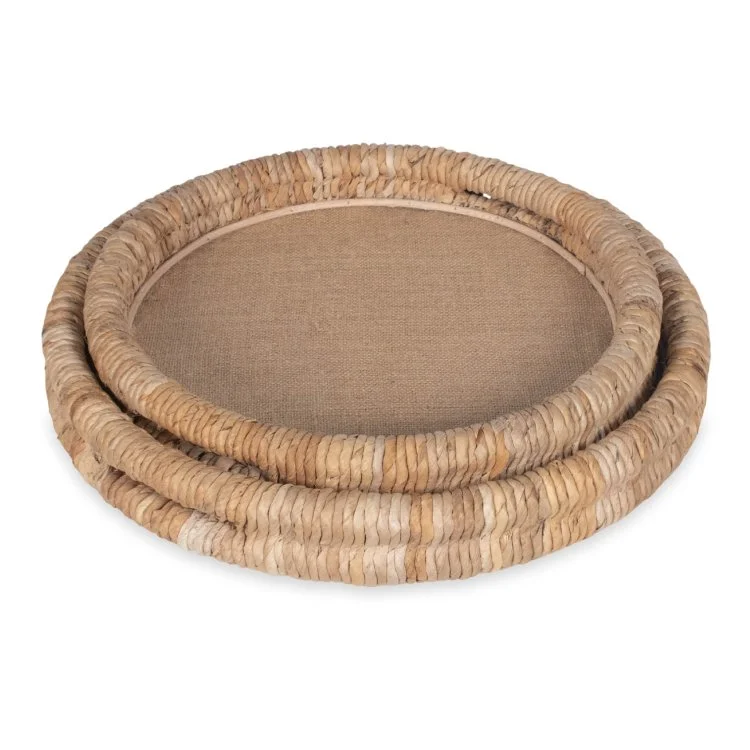
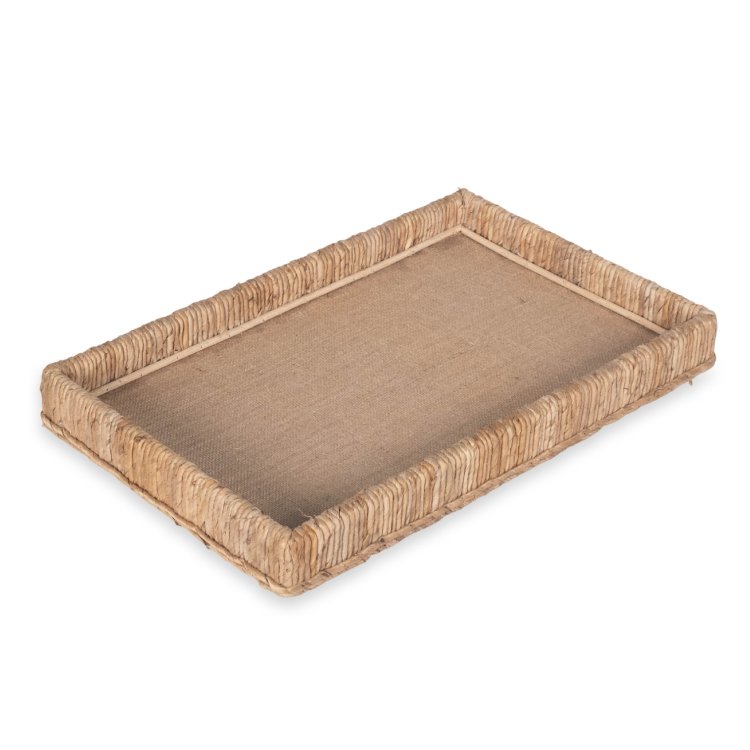
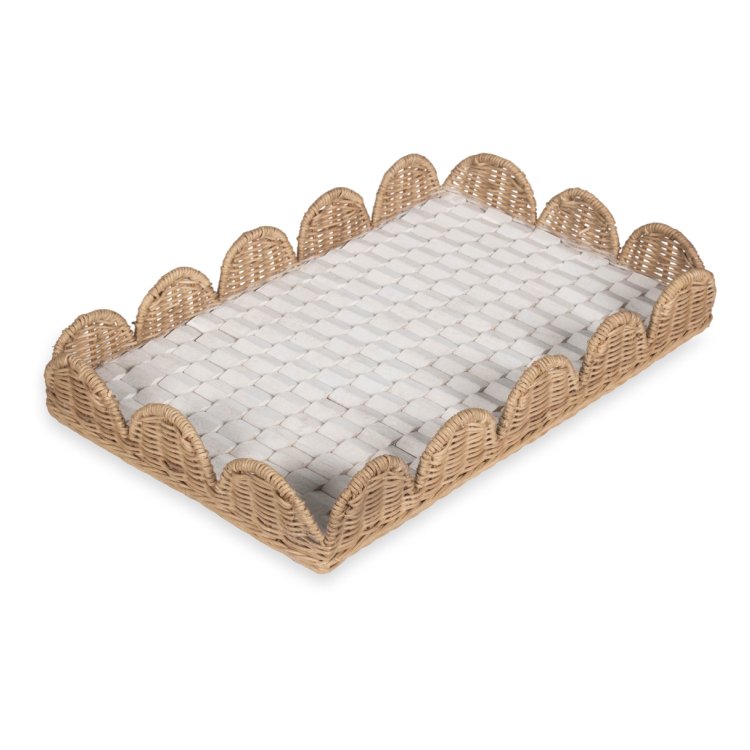
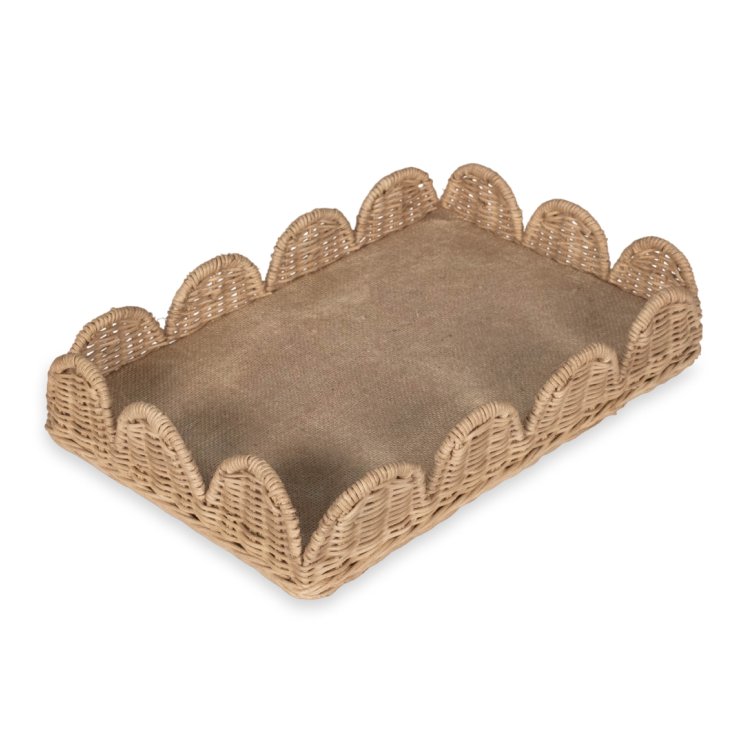
Sustainable furniture is not only about raw materials — it also includes ethical production practices and long-term product value.
Many Indonesian furniture manufacturers are improving sustainability standards through:
Responsible sourcing practices
Efficient production systems
Reduced chemical usage
Eco-friendly finishing materials
Handmade production methods with lower energy consumption
Additionally, handcrafted furniture supports local artisan communities and helps preserve traditional skills passed down through generations.
For buyers seeking products with authentic social and environmental value, Indonesian rattan furniture offers both.
The Future of Indonesian Rattan Furniture Exports
As sustainability regulations become stricter globally, furniture buyers are expected to prioritize traceability and environmentally responsible sourcing even more in the coming years.
Indonesia is in a strong position to meet these demands due to:
Abundant natural rattan resources
Experienced export manufacturers
Skilled artisan communities
Growing sustainability awareness
Strong global reputation in natural furniture production
With the continued rise of eco-conscious consumers, Indonesian rattan furniture is likely to remain a key player in the international furniture market throughout 2026 and beyond.
Choosing the Right Indonesian Rattan Furniture Supplier
For international buyers, selecting the right manufacturing partner is essential. A reliable supplier should offer:
Consistent quality control
Export experience
Clear communication
Product customization
Sustainable production commitment
Professional packaging and logistics support
Working directly with experienced Indonesian manufacturers can help buyers build long-term partnerships while ensuring product quality and supply consistency.
Conclusion
In 2026, sustainability is no longer a niche trend — it has become a global standard in furniture sourcing. Indonesian rattan furniture offers an ideal combination of environmental responsibility, timeless craftsmanship, and commercial value.
From the rich weaving heritage of Cirebon to the growing global demand for natural interiors, Indonesian rattan continues to prove why it is one of the best sustainable furniture choices for international buyers.
For wholesalers, retailers, hospitality brands, and interior designers looking to source eco-friendly furniture with authentic craftsmanship, Indonesia remains one of the most trusted destinations in the world.
Looking for Sustainable Indonesian Rattan Furniture?
Discover handcrafted collections designed for global markets with natural materials, export-quality production, and customizable designs.

Material : Pitrit - Cushion White
Color : Natural
Dimension (cm/inch) : 60 x 60 x 88 / 24 x 24 x 35