

Private Label vs. OEM Furniture Manufacturing: Which Fits Your Retail Brand?

As retailers scale their furniture and home decor assortments, one decision consistently shapes margins, brand differentiation, and long-term supplier relationships: whether to go the private label route or work through standard OEM (original equipment manufacturer) production. Both are common paths when sourcing from Indonesian manufacturers — but they serve different business goals.
What OEM Manufacturing Looks Like
With OEM production, a retailer typically selects from a manufacturer's existing catalog or design library, sometimes with minor customization like finish color, hardware, or dimensions. This path is generally faster to market and involves lower development cost, since the manufacturer isn't building tooling or design work from scratch.
Best fit for: retailers who need to fill out a catalog quickly, test a new category, or don't require strong design differentiation from competitors carrying similar factory-direct products.
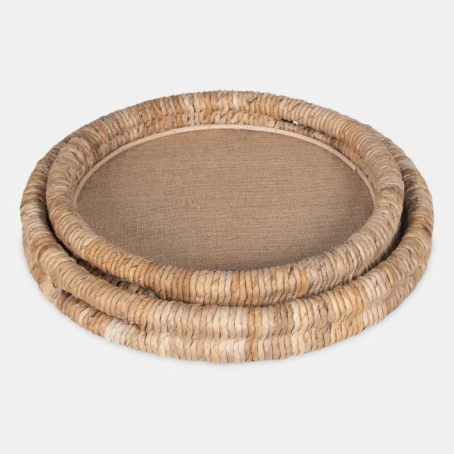
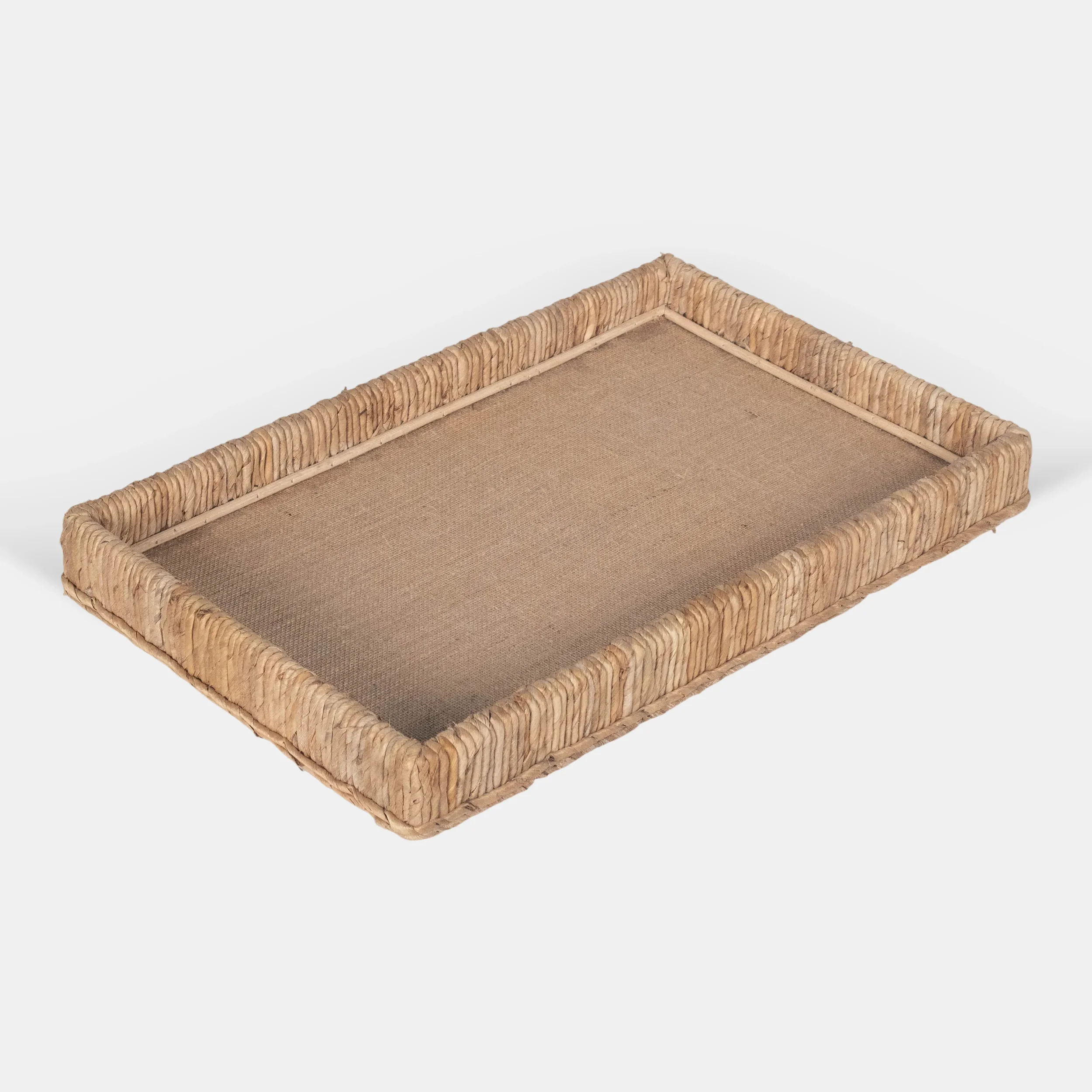
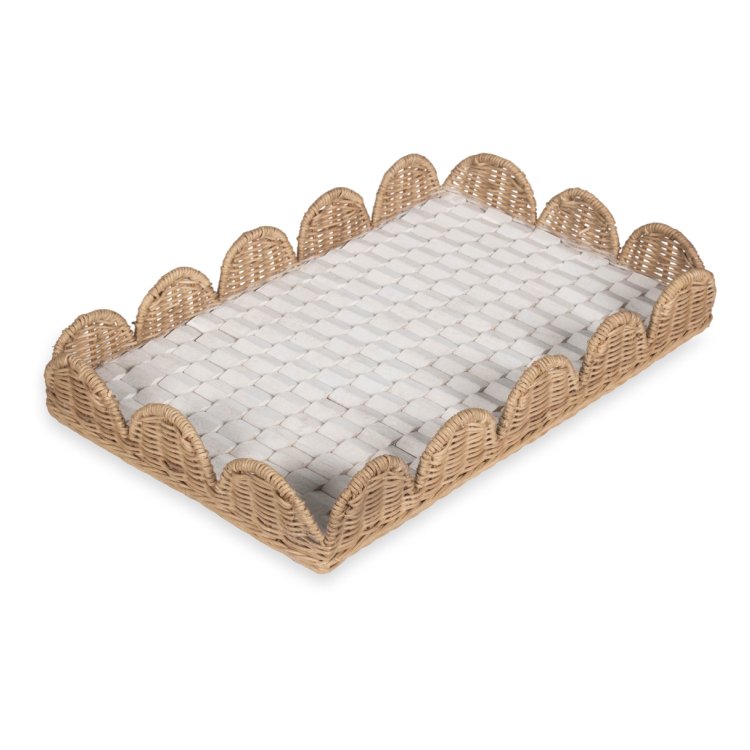
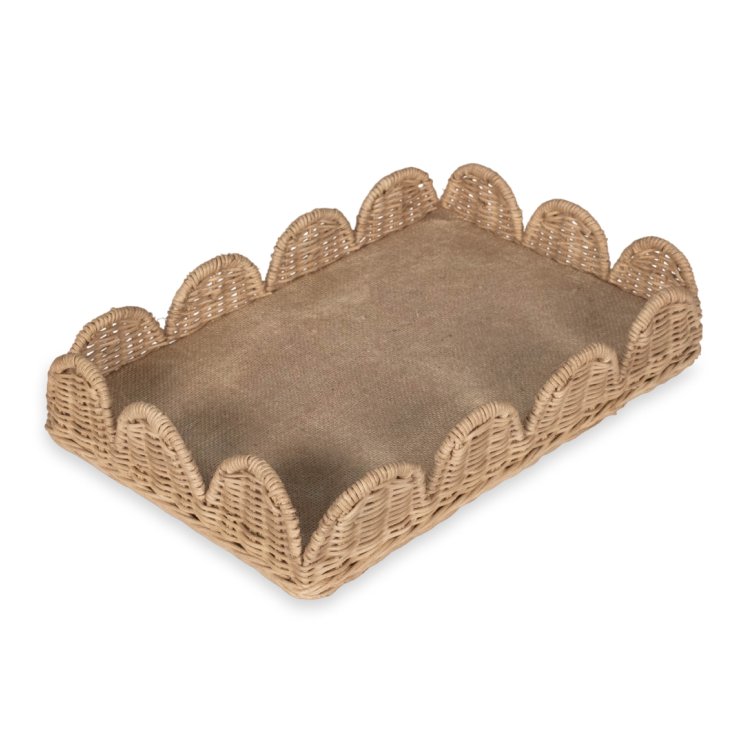




What Private Label Manufacturing Looks Like
Private label goes a step further — the retailer owns unique designs, often developed collaboratively with the manufacturer's product development team, and no other retailer sells the exact same piece. This requires more upfront investment in design time and sampling, and usually comes with higher minimum order quantities to justify the customization.
Best fit for: retailers building a distinct brand identity, competing on design rather than price alone, or planning a long-term assortment strategy rather than one-off seasonal buys.
Key Questions to Ask Before Choosing
How differentiated does your product line need to be? If your competitive advantage is price and speed, OEM may serve you better. If it's brand identity, private label is usually worth the investment.
What's your order volume? Private label development costs are amortized over volume — low-volume private label orders can end up more expensive per unit than simply selecting from an OEM catalog.
Does your manufacturing partner have real design capability? Not every factory that says "we do custom design" actually has an in-house product development team. Ask to see examples of private label work they've completed for other clients.
How much lead time do you have? Private label development — including sampling and revisions — takes meaningfully longer than pulling from an existing catalog.
A Hybrid Approach Is Common
Many retailers don't choose exclusively one path. A common strategy is using OEM products to round out a catalog's baseline assortment while investing in a smaller number of private label pieces as signature, margin-accretive items that differentiate the brand.
With over 20,000 SKUs and an in-house product development process spanning pre-season creative work through fulfillment, Jati Visions supports retailers across both models — whether you need fast, reliable OEM sourcing or a dedicated private label partnership built around your brand.

Material : Leather
Color : White Brown
Dimension (cm/inch) : 76x28x3 / 30x11x1.2